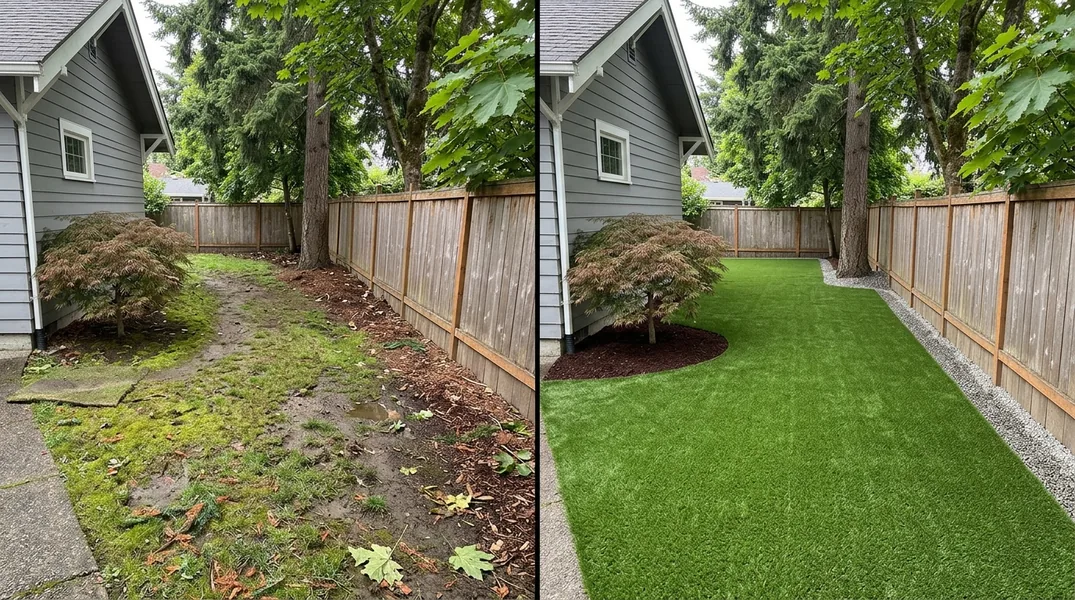
Why Artificial Grass Cleaning Matters in the Pacific Northwest
Living in Seattle means dealing with a unique set of environmental challenges for your lawn. The region's wet climate, abundant evergreen trees, and active pet population create specific maintenance demands that many homeowners underestimate. Unlike natural grass, artificial turf doesn't absorb water or break down organic debris on its own, which means leaves, fir needles, and other materials can accumulate quickly and cause problems if left unaddressed.
Proper Residential Artificial Grass Installation is only half the battle. The other half is understanding how to care for your investment year-round. Without regular artificial grass cleaning and turf maintenance, even the highest-quality synthetic lawn can develop drainage issues, odor problems, and a worn appearance. The good news is that maintaining your turf doesn't require expensive chemicals or professional equipment in most cases. With the right knowledge and occasional professional help, your artificial grass will look fresh and perform beautifully for years to come.
Removing Fir Needles and Leaves: Seasonal Maintenance Essentials
If you've installed artificial grass in your Seattle yard, you've probably noticed how quickly fir needles and leaves accumulate on the surface. During fall and winter, this debris becomes a major concern. Unlike a natural lawn that benefits from decomposing leaves, synthetic turf can trap these materials, leading to moisture retention and potential mold growth. The key is establishing a consistent removal routine that fits your property's specific conditions.
The most effective approach combines regular raking with strategic timing. Use a leaf blower or a soft-bristled rake to gently remove surface debris at least twice a week during heavy shedding seasons. Avoid using hard metal rakes or aggressive tools that can damage the turf fibers or pull out the infill material. For stubborn needles embedded in the turf, a stiff-bristled push broom works well. Many homeowners find that tackling debris removal during dry days makes the job significantly easier. If you have large trees directly over your turf area, consider installing a lightweight mesh net during peak shedding season to catch debris before it settles into the grass.
Addressing Pet Odor: How to Clean Fake Grass from Dog Urine
Pet owners appreciate artificial grass for its durability and low maintenance, but how to clean fake grass from dog urine remains one of the most common questions we hear at Seattle Turf Installation. The challenge isn't unique to synthetic lawns, but it does require a different approach than dealing with natural grass. When dog urine soaks into artificial turf, it can create lingering odors and potentially damage the backing material if not addressed properly. The good news is that with prompt action and the right cleaning method, you can eliminate odors and protect your turf investment.
The most important step is immediate cleanup. Rinse the affected area thoroughly with fresh water immediately after your dog urinates, using a garden hose to flush the urine through the turf and infill material. This prevents the urine from settling and becoming a persistent problem. For established odors, a mixture of equal parts white vinegar and water works effectively as a natural deodorizer. Spray the solution generously over the affected area and let it sit for 15 to 20 minutes before rinsing thoroughly. For stubborn odors, you can also use enzyme-based pet odor eliminators specifically designed for artificial turf, which break down the uric acid crystals responsible for the smell.
If you have multiple pets or a dedicated dog run area, consider installing Pet Turf & Dog Run Installation with specialized drainage systems designed specifically for high-traffic pet areas. These systems include enhanced drainage and antimicrobial infill options that make odor management significantly easier. Professional turf cleaning service providers can also perform deep cleaning using specialized equipment and solutions that penetrate deeper than home methods, providing relief when odors persist despite regular maintenance.
Power Brooming and Professional Turf Cleaning Services
Power brooming is one of the most effective methods for maintaining artificial grass, but it requires knowledge and care to avoid damage. This technique uses a specialized machine with rotating brushes that agitate the turf fibers, helping to lift debris, redistribute infill material, and restore the grass's upright appearance. When done correctly, power brooming rejuvenates tired-looking turf and improves water drainage. However, improper technique or using the wrong equipment can damage the backing material or displace too much infill, which is why many homeowners prefer hiring professionals for this service.
Seattle Turf Installation recommends professional power brooming at least once annually, typically in spring after winter has taken its toll on your lawn. During this service, technicians use equipment calibrated specifically for artificial grass, applying the right amount of pressure to clean effectively without causing harm. They'll also assess your turf's overall condition, check for any drainage issues, and address spot problems like stubborn stains or localized odor concerns. The investment in professional turf maintenance pays dividends in extending your turf's lifespan and keeping it looking like new.
Between professional cleanings, you can maintain your turf with a stiff-bristled push broom, which serves as a gentler alternative to power brooming. Brush in one direction for about 10 to 15 minutes to help lift the fibers and loosen any compacted debris. This simple monthly maintenance task takes minimal effort but provides significant benefits in appearance and longevity. If you're unsure whether your turf needs professional attention or have questions about the best maintenance schedule for your specific installation, contact Seattle Turf Installation at (425) 699-9907 for personalized recommendations.
Stain Removal and Deep Cleaning Techniques
Stains happen, and artificial grass is generally more forgiving than natural turf when it comes to quick cleanup. Common stains from pet accidents, food spills, or rust can usually be removed with simple household solutions applied promptly. For most organic stains, a mixture of mild dish soap and water works well. Apply the solution to the stained area, let it sit for 10 minutes, then scrub gently with a soft brush and rinse thoroughly. For tougher stains like rust or mineral deposits, a solution of one part white vinegar to three parts water often proves effective.
Certain stains require more specialized approaches. Grease or oil stains need a degreaser or enzyme-based cleaner designed for synthetic materials. Avoid using harsh chemicals like bleach or acetone, which can damage or discolor the turf fibers. Always test any cleaning solution on a hidden area first to ensure it won't cause discoloration. For stubborn stains that resist home treatment, professional artificial grass cleaning services have access to commercial-grade solutions and equipment that can tackle problems without damaging your turf. Seattle Turf Installation can evaluate your specific staining issues and recommend the best treatment approach, ensuring your lawn maintains its attractive appearance.
Creating a Year-Round Maintenance Schedule for Your Seattle Turf
The best way to minimize cleaning challenges is to establish a consistent maintenance routine tailored to Seattle's climate and conditions. Spring should focus on deep cleaning after winter damage, including professional power brooming and inspection for any drainage issues or damage. Summer maintenance emphasizes pet odor management and regular debris removal as trees continue shedding. Fall requires weekly or bi-weekly leaf and needle removal to prevent accumulation. Winter maintenance focuses on ensuring proper drainage and addressing any moisture-related concerns.
Document your maintenance activities in a simple calendar or app to stay consistent and catch problems early. Regular brushing, prompt debris removal, and immediate attention to stains will keep your artificial grass looking fresh while preventing expensive problems down the line. If you're new to artificial turf ownership or feel overwhelmed by maintenance requirements, Seattle Turf Installation offers consultation services to help you develop a customized maintenance plan. Call (425) 699-9907 or visit our website to schedule a free estimate and discuss your turf's specific needs. Our team can also recommend professional cleaning schedules and answer any questions about keeping your investment in perfect condition.
Looking for a professional artificial grass installation company in Seattle? Seattle Turf Installation responds fast for all your artificial grass installation needs.
Get a Free Quote